 Antica AI
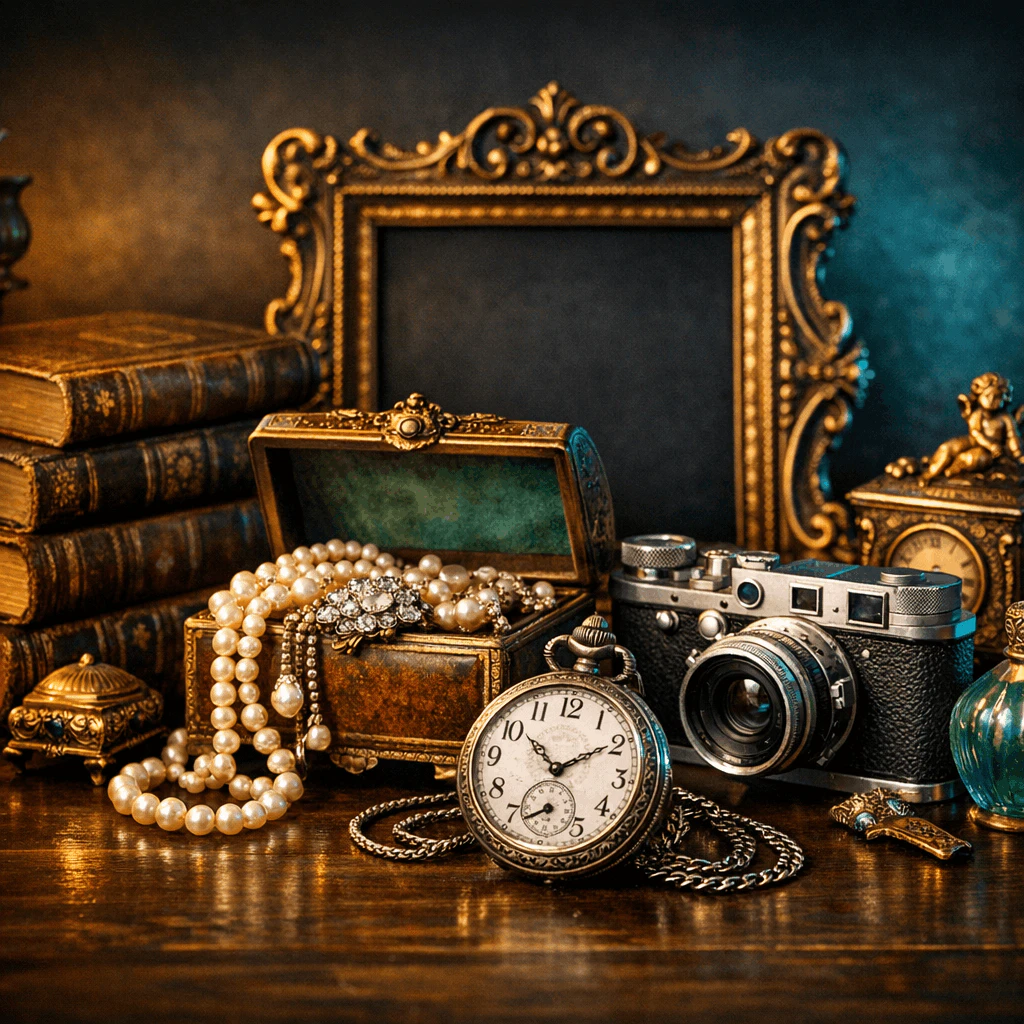
Stepping into the world of antique collecting can feel both exciting and overwhelming. Whether you're drawn to vintage furniture, rare ceramics, or historical artifacts, building a meaningful collection requires knowledge, patience, and a strategic approach. This comprehensive guide will help you navigate your first steps as an antique collector, avoiding common pitfalls while building a collection that brings both personal satisfaction and potential value.
Understanding What Makes an Antique
Before diving into collecting, it's essential to understand what qualifies as an antique. In most countries, an item must be at least 100 years old to be considered a true antique. Items between 20 and 100 years old are typically classified as vintage, while those less than 20 years old are considered collectibles or modern items.
Antiques (100+ years) differ from vintage items (20-100 years) and collectibles (under 20 years). This age classification affects both value and collecting strategies.
However, age alone doesn't determine value. Factors like rarity, condition, provenance (the item's history of ownership), and current market demand all play crucial roles. A well-preserved 150-year-old chair from a renowned maker will typically be worth more than a damaged 200-year-old common household item.
Starting Your Collection: Choose Your Focus
One of the most common mistakes beginners make is collecting too broadly. Without focus, you'll end up with a random assortment of items rather than a cohesive collection. Here's how to choose your collecting niche:
1. Follow Your Passion
Start with items that genuinely interest you. Are you fascinated by Art Deco jewelry? Victorian furniture? Vintage cameras? Your passion will sustain you through the learning curve and help you develop expertise faster.
2. Consider Your Space and Budget
Be realistic about what you can accommodate. Large furniture pieces require significant space, while small items like coins, stamps, or jewelry can be stored more easily. Similarly, establish a budget that allows you to make purchases without financial stress.
3. Research Market Accessibility
Some categories are easier to enter than others. Vintage glassware and mid-century modern furniture are often more accessible to beginners than rare paintings or ancient artifacts, which require deeper expertise and larger budgets.
According to auction house data, the most popular categories for new collectors are: vintage jewelry (32%), mid-century furniture (28%), antique books (18%), and vintage cameras (12%). These categories offer good entry points due to availability and relatively lower initial investment requirements.
📺 Watch Videos: Getting Started with Antique Collecting
Essential Tools for Antique Collectors
Equipping yourself with the right tools will help you identify, evaluate, and care for your collection:
Identification Tools
- Magnifying glass or loupe: Essential for examining maker's marks, signatures, and fine details that reveal authenticity.
- UV light: Helps identify repairs, restorations, and reproductions (many modern materials fluoresce differently than period materials).
- Magnet: Useful for testing metals—real silver and gold aren't magnetic, while many fakes contain iron.
- Digital camera or smartphone: Document everything you're considering purchasing for later research.
Research Resources
- Price guides: Books like "Kovels' Antiques & Collectibles Price List" or online databases provide baseline value information.
- Specialized books: Invest in reference books specific to your collecting category.
- Online databases: Websites like LiveAuctioneers, Invaluable, and WorthPoint track auction results and sales history.
- Mobile apps: Apps like Antica AI can help identify items quickly using photo recognition technology.
📺 Watch Videos: Essential Tools for Antique Collectors
Where to Buy Antiques
Understanding where to source antiques is crucial for finding quality items at fair prices:
Estate Sales and Auctions
Estate sales often offer excellent opportunities to find authentic pieces with known provenance. Arrive early for the best selection, but don't be afraid to negotiate. Auctions can be competitive but sometimes yield great finds—set a maximum bid and stick to it.
Antique Shops and Malls
Dealers have already done the vetting, which means higher prices but also more assurance of authenticity. Build relationships with reputable dealers—they can become valuable sources of knowledge and may alert you to items matching your interests.
Online Marketplaces
Platforms like eBay, Etsy, and specialized antique sites offer vast selections but require extra caution. Always request detailed photos, ask about condition and provenance, and use secure payment methods. Be particularly wary of items that seem too good to be true.
Flea Markets and Garage Sales
These venues require patience and a sharp eye, but treasures can be found. Early morning visits often yield the best results. Remember that sellers may not know what they have, so your research pays off here.
Be cautious of: items with prices suspiciously below market value, sellers who can't provide basic information, items that look "too perfect" (may be reproductions), and pressure tactics to buy immediately. When in doubt, walk away.
Evaluating Condition and Authenticity
Learning to assess condition and authenticity is perhaps the most critical skill for collectors:
📺 Watch Videos: How to Identify Authentic Antiques
Condition Assessment
Examine items thoroughly before purchasing. Look for:
- Original finish: Refinished items lose significant value compared to original patina.
- Repairs and restorations: Some repairs are acceptable (like reupholstering), while others (like replaced parts) significantly reduce value.
- Wear patterns: Authentic wear should match how the item was used. Suspiciously uniform wear might indicate artificial aging.
- Structural integrity: Check for cracks, loose joints, or other damage that affects functionality.
Authenticity Checks
Verify authenticity through multiple methods:
- Maker's marks and signatures: Research what marks authentic items should have and compare carefully.
- Construction methods: Hand-cut dovetails, hand-forged nails, and period-appropriate joinery indicate age.
- Materials: Period items used specific materials—learn what's appropriate for the era you're collecting.
- Style consistency: Design elements should match the period claimed. Anachronistic features suggest reproduction.
A collector once purchased what appeared to be an 18th-century Chippendale chair for $2,500. Upon closer examination, they discovered machine-cut dovetails (not used until the 1850s) and modern screws. The chair was actually a 1920s reproduction worth about $400. This highlights why understanding construction methods is crucial.
Building Your Collection Strategically
Successful collecting involves more than accumulating items—it requires strategy:
Start Small and Learn
Begin with less expensive items to build your knowledge and confidence. As you learn, you'll make better decisions about larger purchases. Many experienced collectors recommend spending your first year learning rather than buying extensively.
Document Everything
Keep detailed records of each purchase: where you bought it, what you paid, any provenance information, condition notes, and photos. This documentation becomes invaluable for insurance, future sales, and tracking your collection's growth.
Focus on Quality Over Quantity
One exceptional piece is worth more than ten mediocre items. Better to save for a quality addition than to fill space with items you'll later regret purchasing. This approach also makes your collection more valuable overall.
Understand Market Trends
Markets fluctuate. What's hot today may cool tomorrow, and undervalued categories can surge. While you shouldn't collect purely for investment, understanding trends helps you make informed decisions and potentially find undervalued opportunities.
Common Beginner Mistakes to Avoid
Learning from others' mistakes can save you time and money:
1. Buying Without Research
Impulse purchases often lead to regret. Always research items before buying, especially for purchases over $100. Use apps like Antica AI for quick identification, then do deeper research.
2. Ignoring Condition
Beginners sometimes focus only on age or style, overlooking condition issues that dramatically affect value. A damaged rare item may be worth less than a perfect common item.
3. Overpaying Due to Emotion
It's easy to fall in love with an item and pay more than it's worth. Set price limits before shopping and stick to them. There will always be another opportunity.
4. Neglecting Provenance
Items with documented history command higher prices. Always ask sellers about provenance and get it in writing when possible.
5. Poor Storage and Care
Improper storage can damage items and destroy value. Learn proper care techniques for your specific category—wood needs different care than textiles, metals, or ceramics.
Networking and Learning
Building connections in the collecting community accelerates your learning:
Join Collecting Groups
Local antique clubs, online forums, and social media groups connect you with experienced collectors willing to share knowledge. Many groups host educational events and group buying opportunities.
Attend Shows and Exhibitions
Antique shows, museum exhibitions, and collector conventions offer opportunities to see quality pieces up close, talk to experts, and learn about market trends.
Find a Mentor
If possible, connect with an experienced collector in your category. Many are happy to share knowledge with enthusiastic beginners. Offer to help with their research or attend events together.
Protecting Your Investment
As your collection grows, protecting it becomes important:
Insurance
Standard homeowners insurance often doesn't adequately cover valuable antiques. Consider specialized collectibles insurance or scheduled coverage for high-value items. Keep appraisals current and maintain detailed documentation.
Proper Storage
Control temperature, humidity, and light exposure based on your items' needs. Wood furniture needs stable humidity (around 45-55%), while textiles require protection from light and pests.
Security
Display valuable items securely, use alarms if appropriate, and be cautious about sharing collection details publicly. Consider a safe for small high-value items.
When to Seek Professional Help
While learning is part of the fun, sometimes professional expertise is essential:
- High-value purchases: For items over $1,000, consider professional appraisal before buying.
- Authentication doubts: If authenticity is questionable, consult an expert rather than guessing.
- Insurance requirements: Most insurers require professional appraisals for valuable items.
- Estate planning: Professional appraisals help with estate planning and tax considerations.
Building Your First Collection: A Practical Plan
Here's a step-by-step approach for your first year:
📺 Watch Videos: Building Your First Antique Collection
Months 1-3: Education Phase
Read extensively about your chosen category. Visit museums, shows, and shops to examine items in person. Use identification apps to practice recognizing different styles and periods. Make minimal purchases—perhaps one or two small items to start learning hands-on.
Months 4-6: Building Phase
Start making regular purchases within your budget. Focus on items in good condition with clear identification. Document everything and continue learning. Join relevant groups or forums.
Months 7-12: Refinement Phase
By now, you should have a clearer sense of what you like and what represents good value. Begin focusing on higher-quality pieces. Consider selling items that no longer fit your collection to fund better purchases.
Many successful collectors follow the "one in, one out" rule after their first year—for every new item added, consider selling one that no longer fits. This keeps collections focused and funds future purchases.
Conclusion: Your Collecting Journey Begins
Antique collecting is a rewarding pursuit that combines history, art, craftsmanship, and the thrill of the hunt. Success comes from patience, education, and following your genuine interests rather than chasing trends or quick profits.
📺 Watch Videos: Expert Tips for Antique Collectors
Remember that every expert collector started as a beginner. The knowledge you gain through research, hands-on experience, and connecting with the community will serve you throughout your collecting journey. Start with items that speak to you, learn continuously, and build your collection thoughtfully.
Whether you're drawn to the elegance of Victorian furniture, the precision of vintage timepieces, or the artistry of antique ceramics, your collection will become a reflection of your interests and a source of lasting enjoyment. The key is to begin—start learning, start looking, and when you find that first piece that captures your heart, you'll know you're on the right path.
As you build your collection, tools like the Antica AI app can help you quickly identify items and learn about their history, making your collecting journey both easier and more informed. Happy collecting!
Ready to Start Your Antique Collecting Journey?
Starting an antique collection can feel overwhelming—how do you know if an item is valuable? What makes one piece worth more than another? The truth is, value comes from many factors beyond just age or famous maker's marks.
An exceptionally well-made piece that perfectly captures its time period, uses rare materials, or has unique design features can command a high price on its own merits. This is especially true if it comes with documented history or solid provenance.
Feeling uncertain about that thrift store find or curious about items in your attic? Antica AI is like having an antique expert in your pocket. Just snap a photo to get instant identification, historical context, and estimated value—turning your questions into confident answers.
Download Antica AI